
CBC Grade 7 Notes in Kenya Circulatory system parts and functions
CBC Grade 7 Notes in Kenya Circulatory system parts and functions
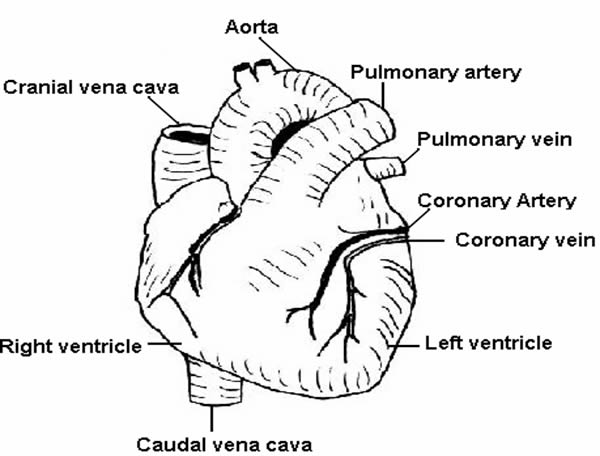
The circulatory system (cardiovascular system) acts as the body’s primary transport network, utilizing the heart to pump blood through vessels to deliver oxygen, nutrients, and hormones to cells while removing waste products like carbon dioxide. It maintains homeostasis, regulates body temperature, and supports immune responses
Key Functions of the Circulatory System:
- Transportation: Carries oxygen from the lungs to cells and nutrients from the digestive system to tissues.
- Waste Removal: Transports carbon dioxide to the lungs and waste products to the kidneys for excretion.
- Oxygenation: Uses the pulmonary circuit to transport oxygen-poor blood to the lungs to receive oxygen.
- Nutrient Delivery: Uses the systemic circuit to deliver oxygenated blood to all body tissues.
- Immune System Support: Transports white blood cells to fight infections.
- Regulation: Manages pH balance, osmotic pressure, and body temperature.
- Circulation Control: Maintains blood pressure and flow through arteries, capillaries, and veins.
National Institutes of Health
Components and Mechanisms:
- Heart: The pump that drives the entire system.
- Blood Vessels: Arteries (carry blood away), Veins (return blood), and Capillaries (facilitate exchange).
- Blood: The fluid medium transporting nutrients, gases, and waste.
- Circuits: Pulmonary (heart-lungs-heart) and Systemic (heart-body-heart)


Recent Comments