
Rhythm Fun! Grade 1 CBC Notes in Kenya
What is Rhythm?
Rhythm is the pattern of beats or sounds in music. It helps us keep track of time when we sing or play music.
In the Kenyan Competency Based Curriculum (CBC), rhythm refers to the pattern of sounds, silences (rests), and durations in music, often taught through clapping, tapping, or using French rhythm syllables (e.g., ‘t’, ‘ta’, ‘ta-te’). It involves understanding note values like crotchets, quavers, and minims to create organized musical patterns.
Understanding Beat:
- Beat: The beat is like the heartbeat of a song. It helps us keep time. You can think of it as the steady pulse that keeps everything moving.
- Body Percussion:Body percussion means using parts of your body to make music. Here are some
ways you can use your body:
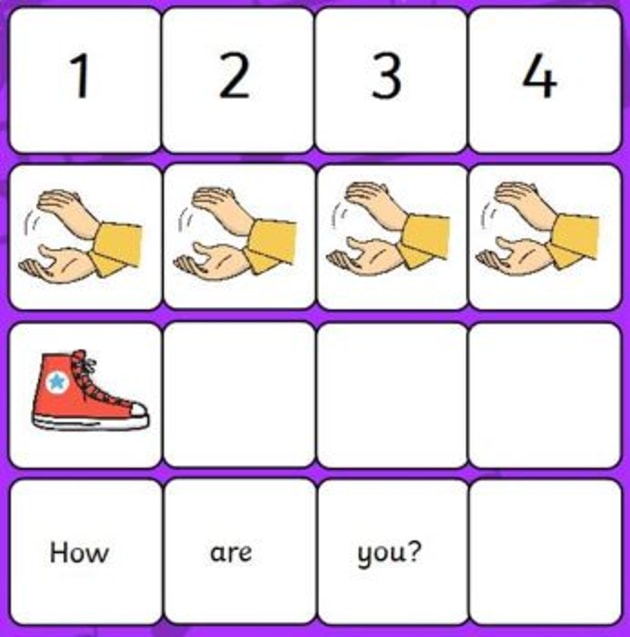
Clapping: Clap your hands together to make a sound.
Tapping: Tap your hands or feet on a surface to make a beat.
Snapping: Snap your fingers to create a sound.
Activities to Learn Rhythm:
-Finding the Beat:
- Listen: Find objects that make a steady beat, like a ticking clock.
- Imitate: Try to make the same beat with your hands or feet
-Creating a Steady Beat:
- Clap and Sing: Clap your hands or tap your feet in time with a song
while you sing. - March and Stomp: March in place or stomp your feet to keep a steady beat.
- Body Percussion with Songs:
- Watch and Learn: Watch performances to see how people use body
percussion in their songs. - Explore: Use your body to make sounds that match the beat of a
familiar song. Try clapping, tapping, or snapping along.
4. Making Your Own Rhythm: - Improvise: Create your own beats using your body. Try different
combinations of clapping, tapping, and snapping - Record: Use a digital device to record your rhythms or perform them
in front of your friends.
Why Percussion is Fun:
Percussion instruments and body percussion help make music exciting. They let you create different sounds and rhythms, making every song unique!


Recent Comments