
CBC Grade 9 Notes in Kenya-Types of flour mixture used in food production?
Flour mixtures in food production are classified by their consistency—batters (pourable/droppable) and doughs (soft/stiff)—used for baking, frying, or coating. Key types include wheat (all-purpose, bread, cake, self-rising, whole wheat) and non-wheat (cassava, maize, rice, sorghum) flours used for products like bread, cakes, and pastry.
Common Types of Flour Mixtures
- Pour Batters: Thin mixtures (ratio of 1:1 liquid to flour), such as pancakes, waffles, and crepes.
- Drop Batters: Thicker mixtures (ratio of 1:2 liquid to flour), such as muffins, cookies, and cakes.
- Soft Dough: Soft, manageable dough (ratio of 1:3 liquid to flour) used for yeast breads, biscuits, and doughnuts.
- Stiff Dough: Firm dough (ratio of 1:4-6+ liquid to flour) used for pastries, chapatis, pie crusts, and noodles.
Key Flour Varieties
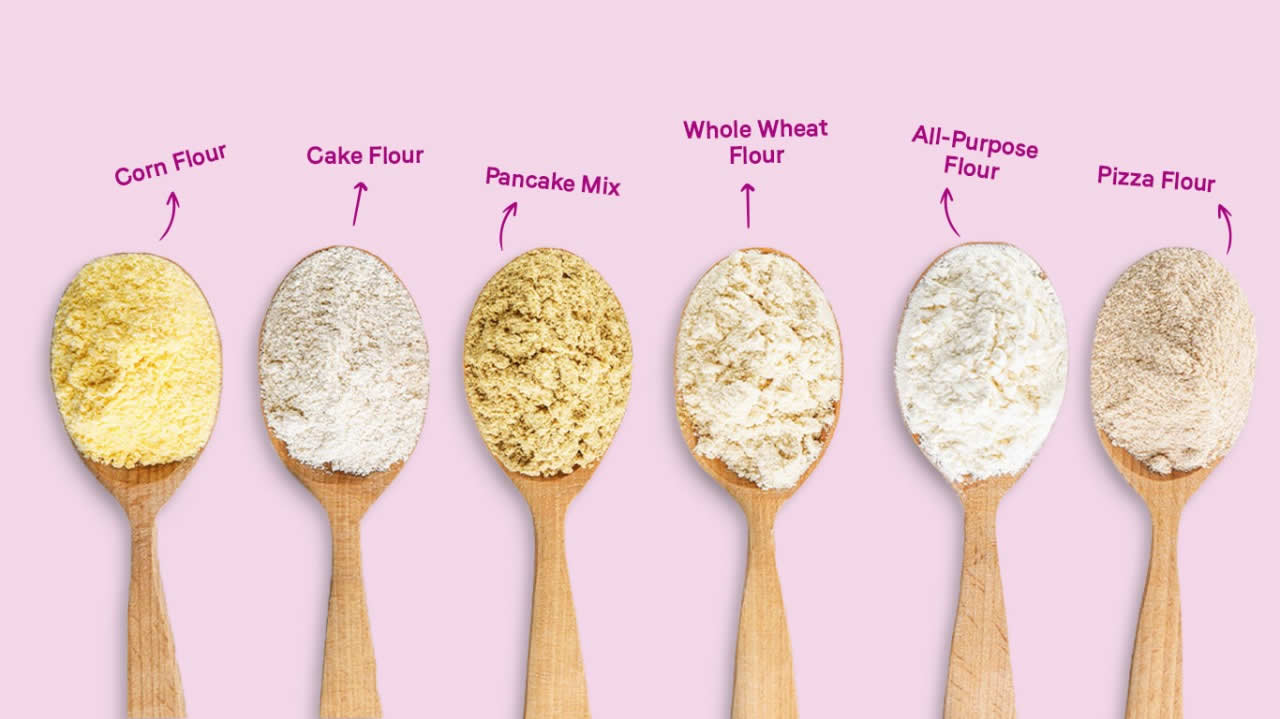
- All-Purpose Flour: Versatile, moderate protein suitable for most baking.
- Bread Flour: High protein (gluten) content, ideal for chewy yeast bread.
- Cake Flour: Low protein content, creates tender, delicate cakes.
- Whole Wheat Flour: Contains the entire grain, creating denser, nutritious products.
- Self-Rising Flour: Includes leavening agents (baking powder) and salt.
Essential Ingredients in Flour Mixtures
- Flour: Provides structure.
- Liquid: Hydrates protein to form gluten (water, milk).
- Leavening Agents: Produce gas for rising (yeast, baking powder, baking soda, air, steam).
- Fat: Adds tenderness and flakiness (shortening, butter, oil).
- Sugar: Adds sweetness and moisture.


Recent Comments