
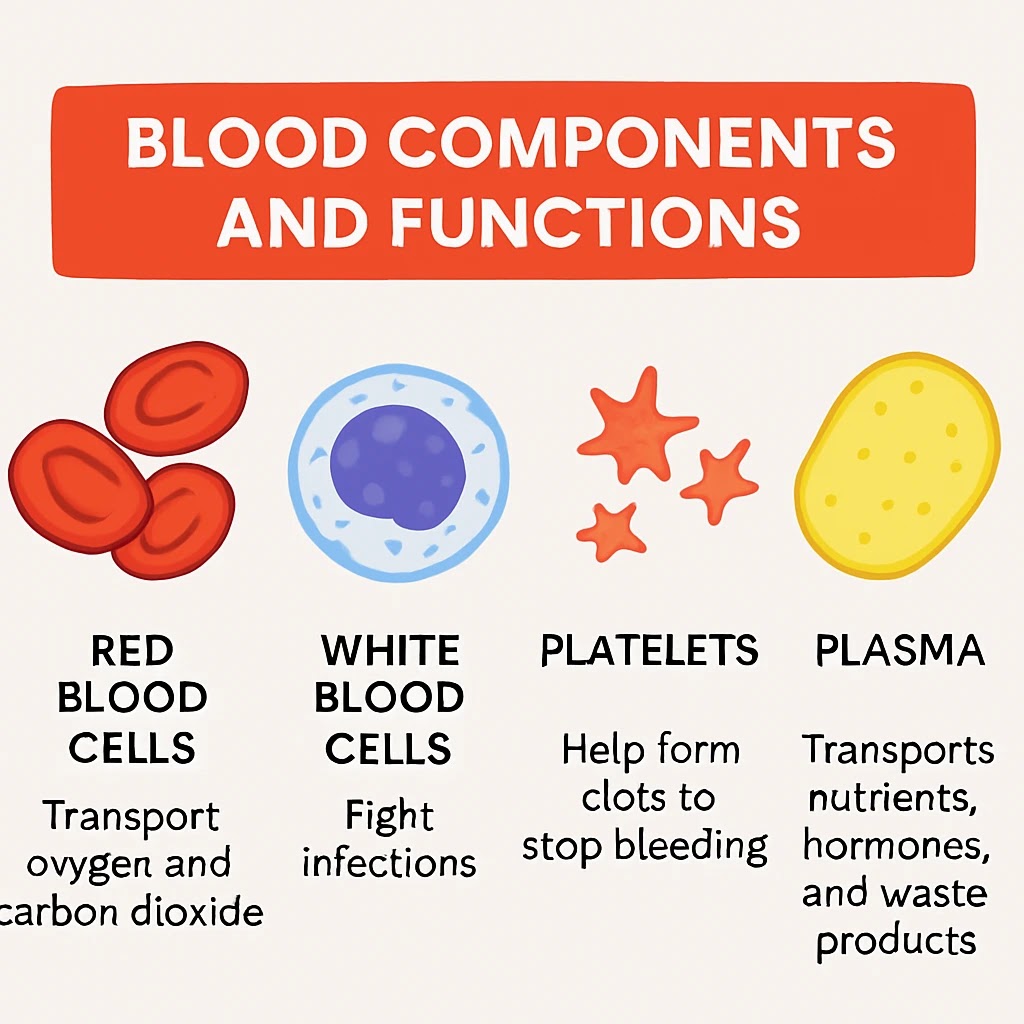
CBC Grade 7 Notes in Kenya What are the Functions of White Blood Cells?
Key functions and roles of specific white blood cells
White blood cells (leukocytes) are essential immune system components that protect the body against infection, diseases, and foreign invaders. They circulate in the bloodstream to locate sites of infection or injury, where they destroy pathogens by producing antibodies, engulfing germs (phagocytosis), or releasing chemicals that trigger inflammatory responses.
- Defense & Immunity: They act as the body’s second line of defense (after physical barriers like skin) to fight bacteria, viruses, parasites, and fungi.
- Neutrophils: The most common type (55-70%), they act as the first responders to bacterial infection, engulfing and destroying germs.
- Lymphocytes (T cells and B cells): These are vital for the adaptive immune system. T cells directly attack infected cells/tumors, while B cells produce antibodies to mark and neutralize invaders.
- Monocytes: These cells engulf pathogens and debris (phagocytosis) and help initiate long-term immune responses.
- Eosinophils & Basophils: These regulate the body’s response to allergies, parasites, and inflammation, with basophils releasing heparin and histamine.
- Wound Healing: They aid in cleaning up damaged tissue and facilitating repair.
a) White Blood Cells
They do not have a fixed shape since they keep on changing their shapes. They have no color but do have a dark part at the centre called nucleus. In size are larger than red blood cells. They are fewer than red blood cells.
Functions of White Blood Cells
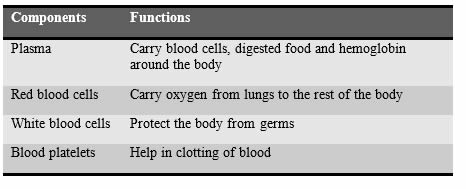
The main function is protection of body from germs. They move to the attacked body part and fight the germs. They change the shape while fighting the germs and this way are able to engulf and destroy the germs.


Recent Comments