
CBC Grade 9 Notes in Kenya-What Are Methods of Hay Conservation?
Hay conservation refers to the process of cutting, drying, and storing forage (grasses or legumes) to provide high-quality livestock feed during dry seasons or droughts. The primary goal is to reduce the moisture content of the green forage to below 15-20% to prevent rotting, mould growth, and nutrient loss while maintaining a green, leafy quality.
Methods of Hay/Forage Conservation
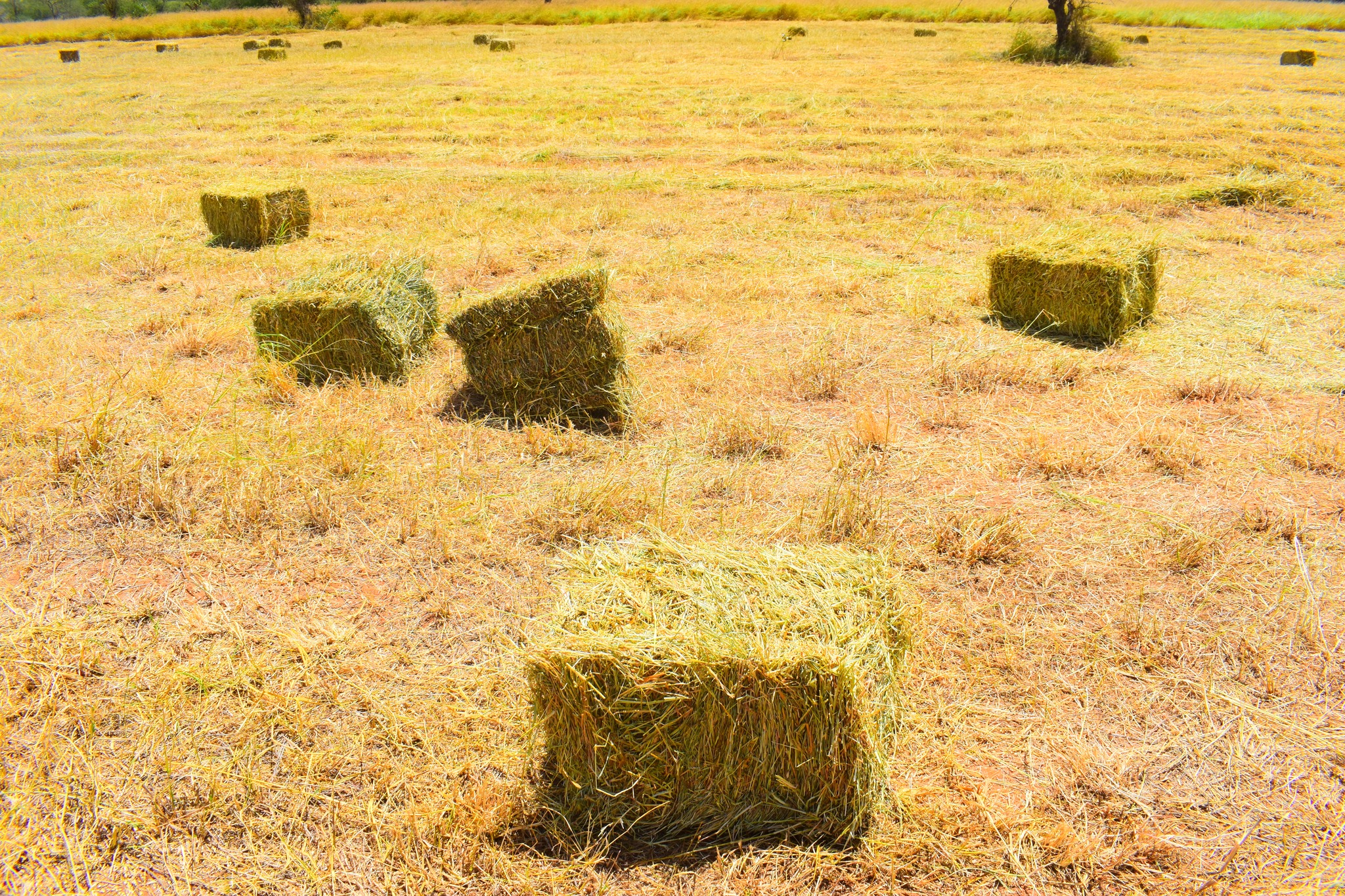
- Baled Hay: Forage is compressed into bales to minimize storage volume.
- Stacked Hay: Fodder is arranged in piles (often in a crisscross manner) to allow air circulation and protect against moisture.
- Standing Forage: Leaving forage to grow, dry, and mature in the field to be grazed directly during the dry season.
-Forage can either be eaten by animals directly in the field (grazed) or harvested and saved for later
-When there is a lot of forage, farmers often preserve it to make sure animals have enough food during dry periods or times of drought.
- Examples of forage crops:
- Grass
- Legumes
- Maize
- Sorghum
- Oats
- Millet
- Clover
- Napier grass
- Lucerne
- Desmodium
Some common methods to conserve forage include:
- Baled hay
- Standing forage or hay
- Stacking straws and maize stovers


Recent Comments